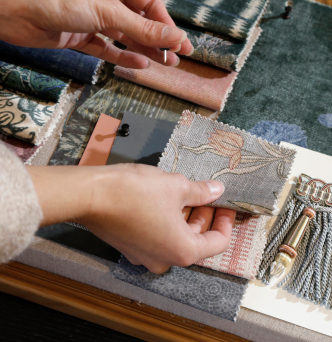
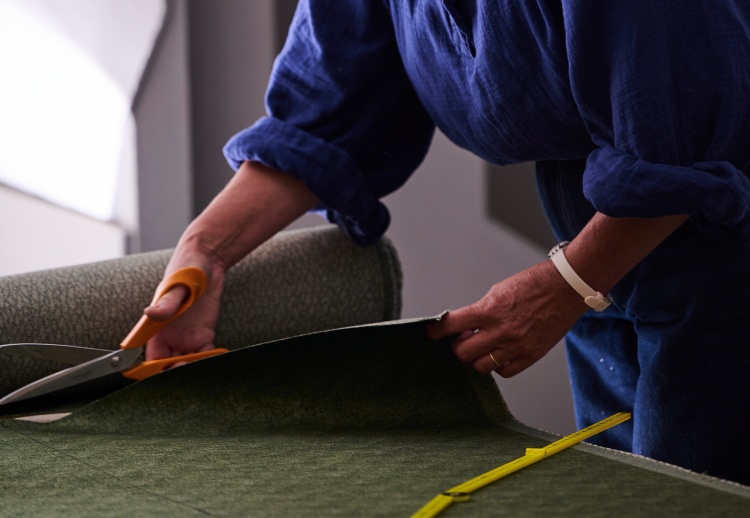

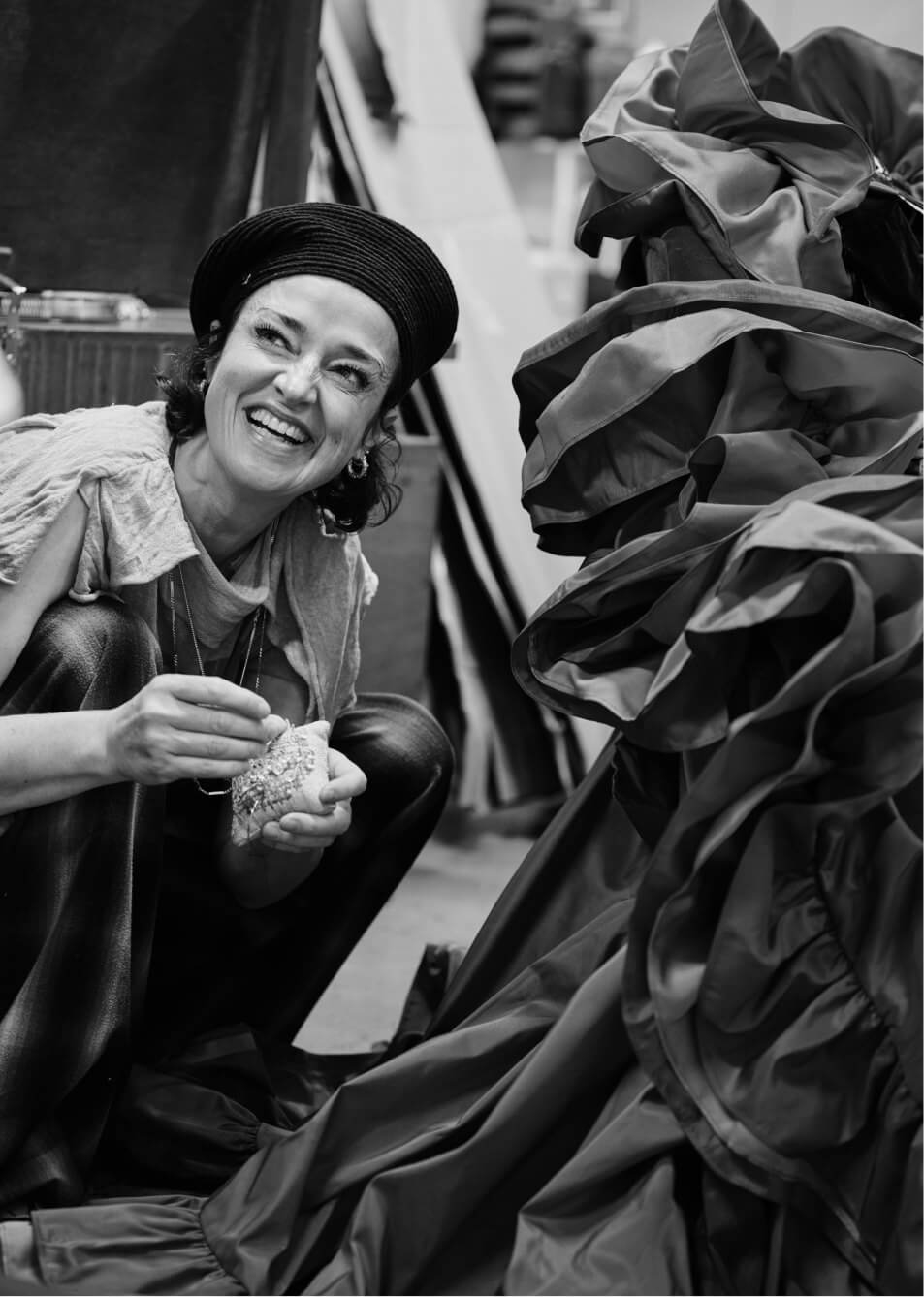
Before Hannah Edwards found her way into costume design, she studied illustration. Drawing gave her one way to imagine a character, but fabric became the language that brought character into the physical world: holding shape, catching light, responding to movement and changing with the body.
She went on to work across costume, film, television, commercials and music videos, from fringe theatre and corset-making to large-scale commercial projects, including a Louis Vuitton campaign with David Bowie in Venice. Across that work, fabric has remained central: not just as surface or decoration, but as a way of shaping mood, movement and character.
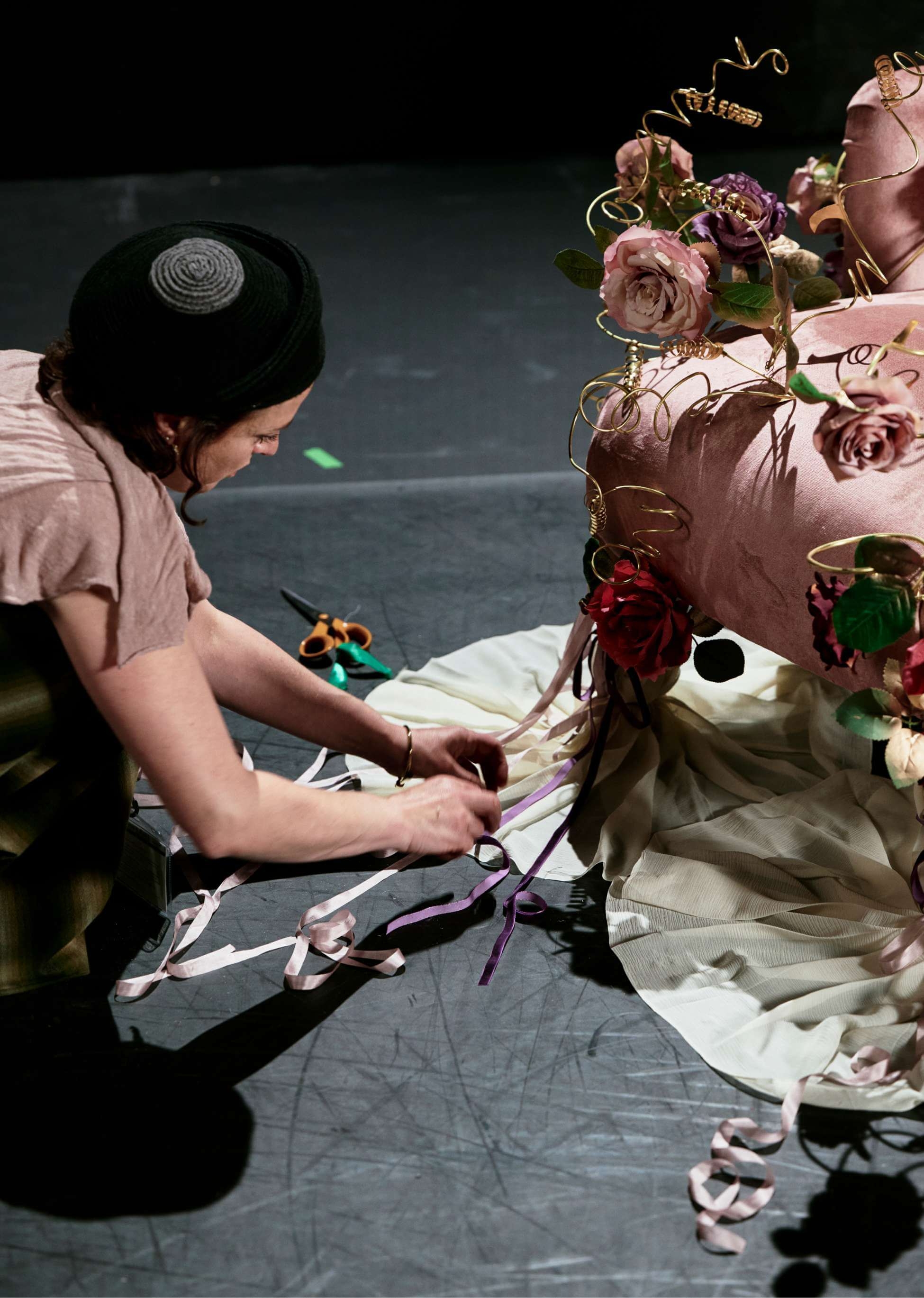
For The Making, our first campaign in partnership with the Royal Ballet and Opera, we invited Hannah to work with us as embellishment consultant on four one-of-a-kind pieces. She brought her costume designer's eye and skill to help us express character, atmosphere and symbolism through fabric and detail. The brief was not to recreate Swan Lake, Carmen, La traviata and The Sleeping Beauty in furniture form, but to find the material cues that might carry something of their feeling.
It was a different kind of challenge from costume design. Hannah is used to creating pieces for performers, where cloth, cut and detail come alive through movement, gesture and presence. Here, the pieces were sculptural and still. “How do you bring lightness to heavy, static objects?” she asks. Without the animation of a performer, fabric had to take on more of the work itself.
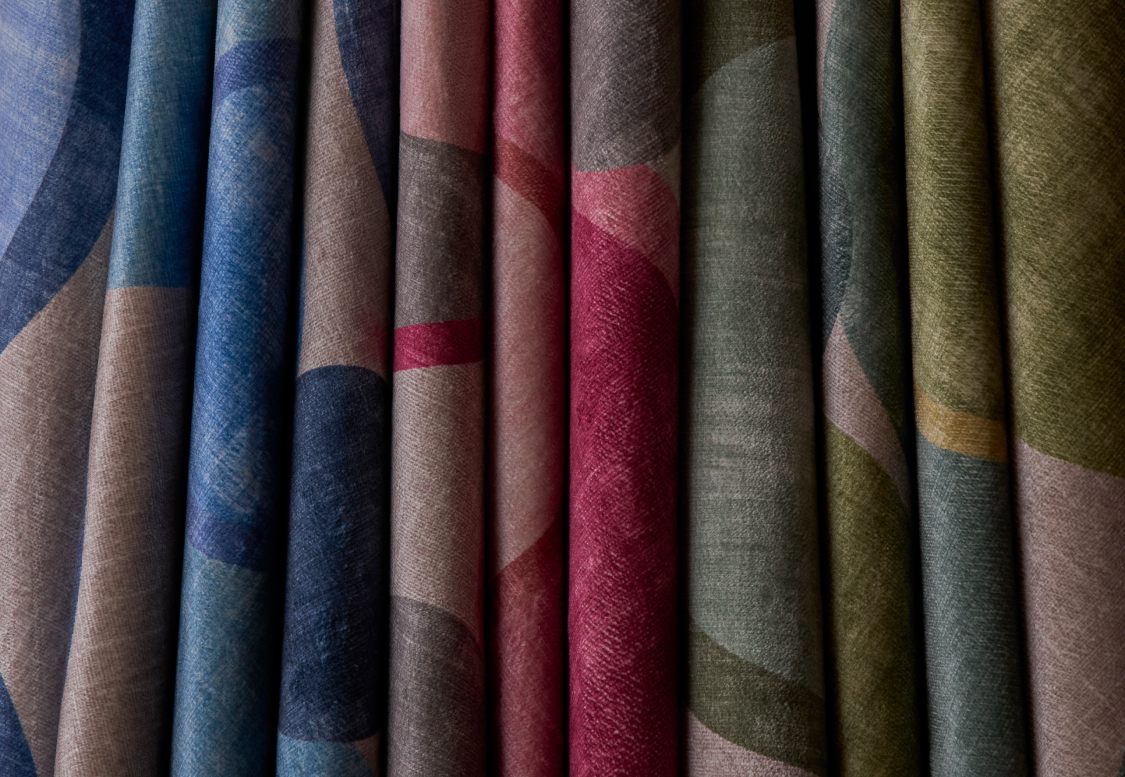
The form was different, but Hannah’s way into character remained the same. For her, fabric is never simply the final layer or flourish. “The fabric is essentially the voice of the piece,” she says. Before a silhouette or structure is fully resolved, fabric has already begun to suggest personality. Colour sets the emotional tone. Texture changes how light meets the surface. Weight and composition alter how a piece moves or sits. These are not decorative decisions alone.
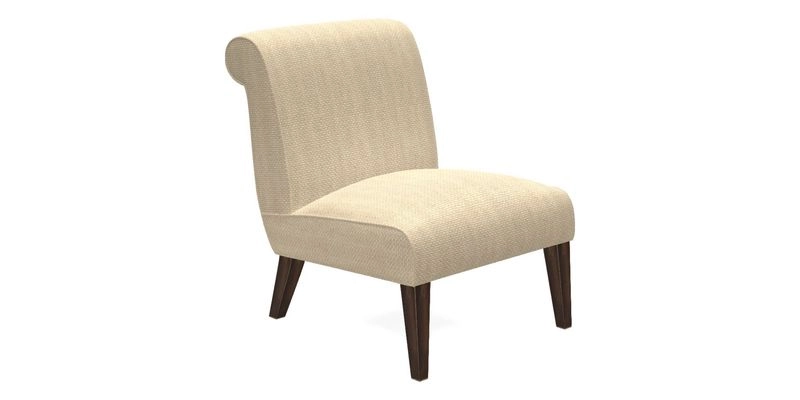
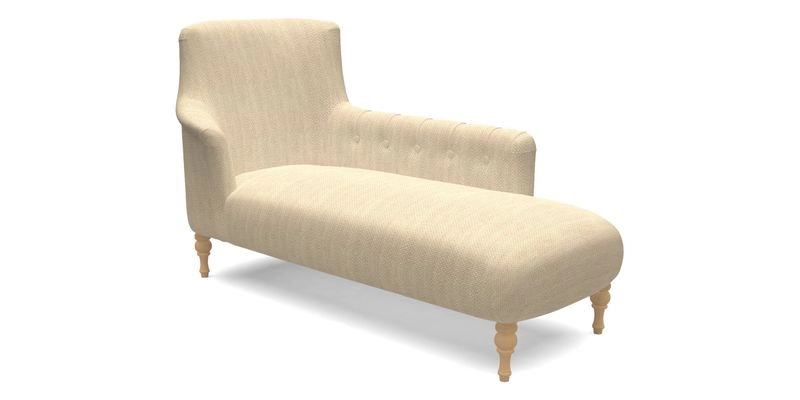
It is a way of thinking that feels especially relevant to furniture. Fabric can sometimes be spoken about as the final choice: the colour, the covering, the visible layer. Hannah’s perspective reminds us that it is doing far more. It changes how a piece is read. It can make a form feel commanding or fragile, dramatic or restrained, intimate or expansive. Long before any further embellishment is added, the material has already begun to set the mood.
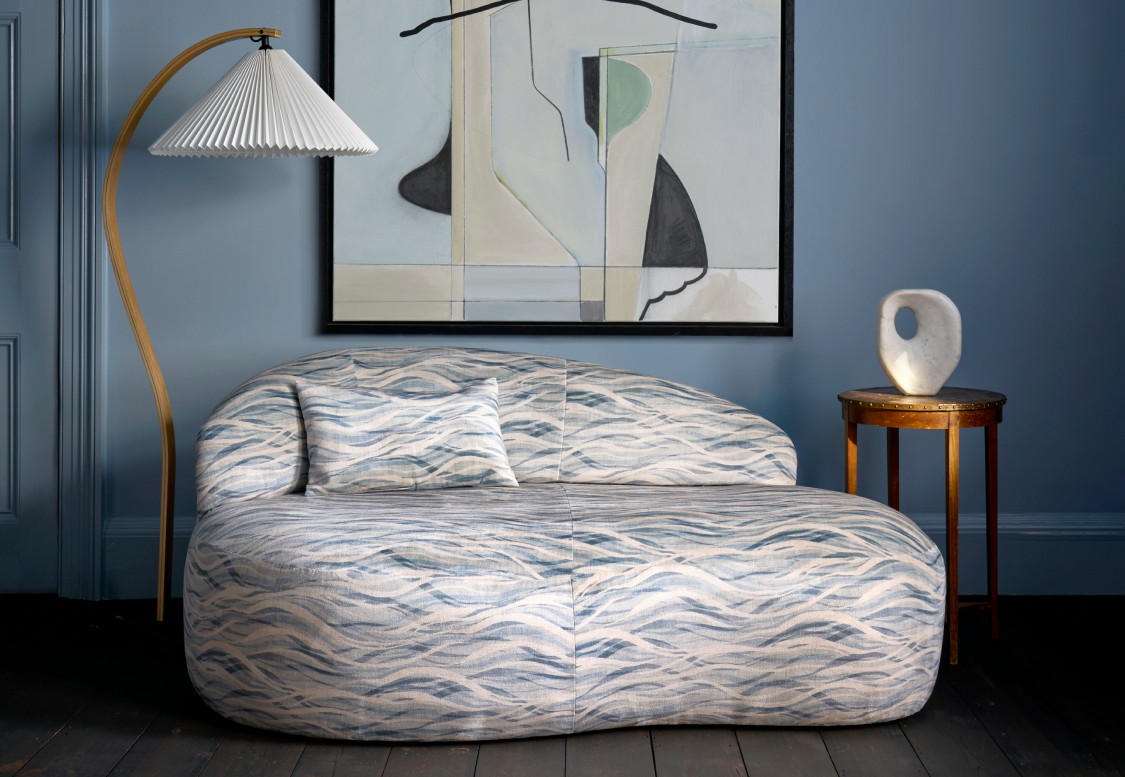
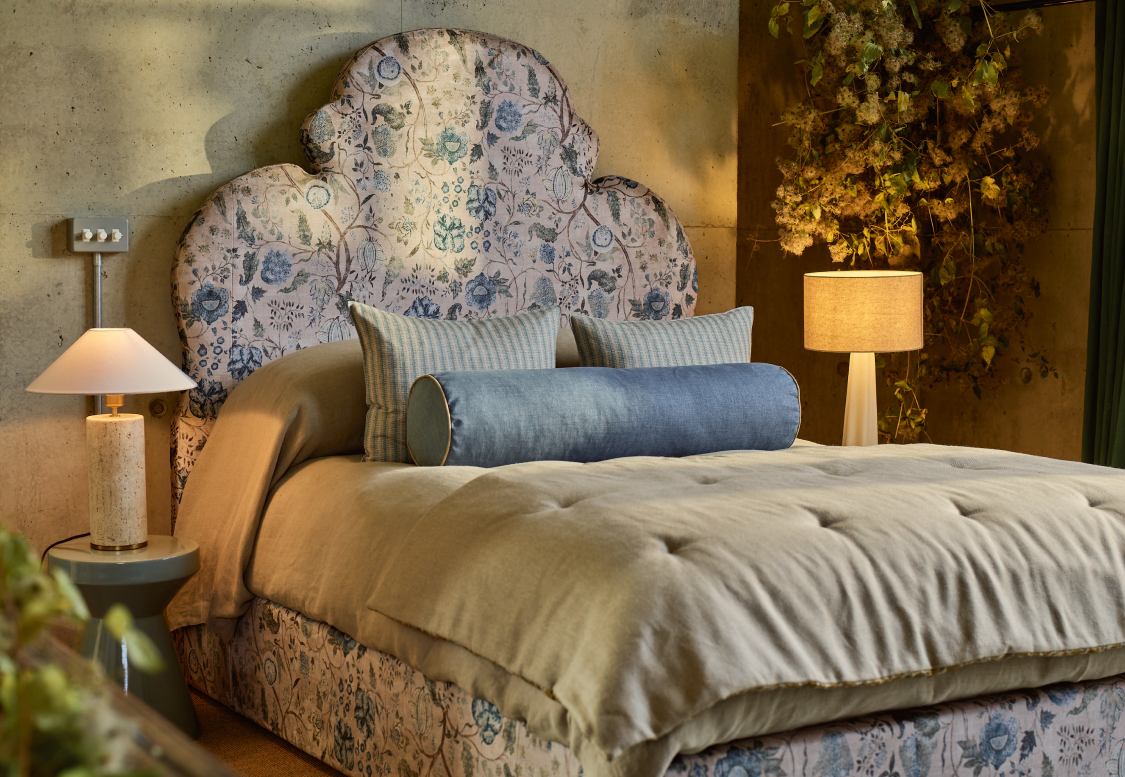
In a room, that matters. A sofa in linen feels different from one in velvet. Pattern changes rhythm. Wool absorbs light. Silk catches it. The detail of an upholstered arm, the texture and colour of a chosen fabric, the way a silhouette holds space: these are not simply decorative choices. They shape how a piece belongs in the home.
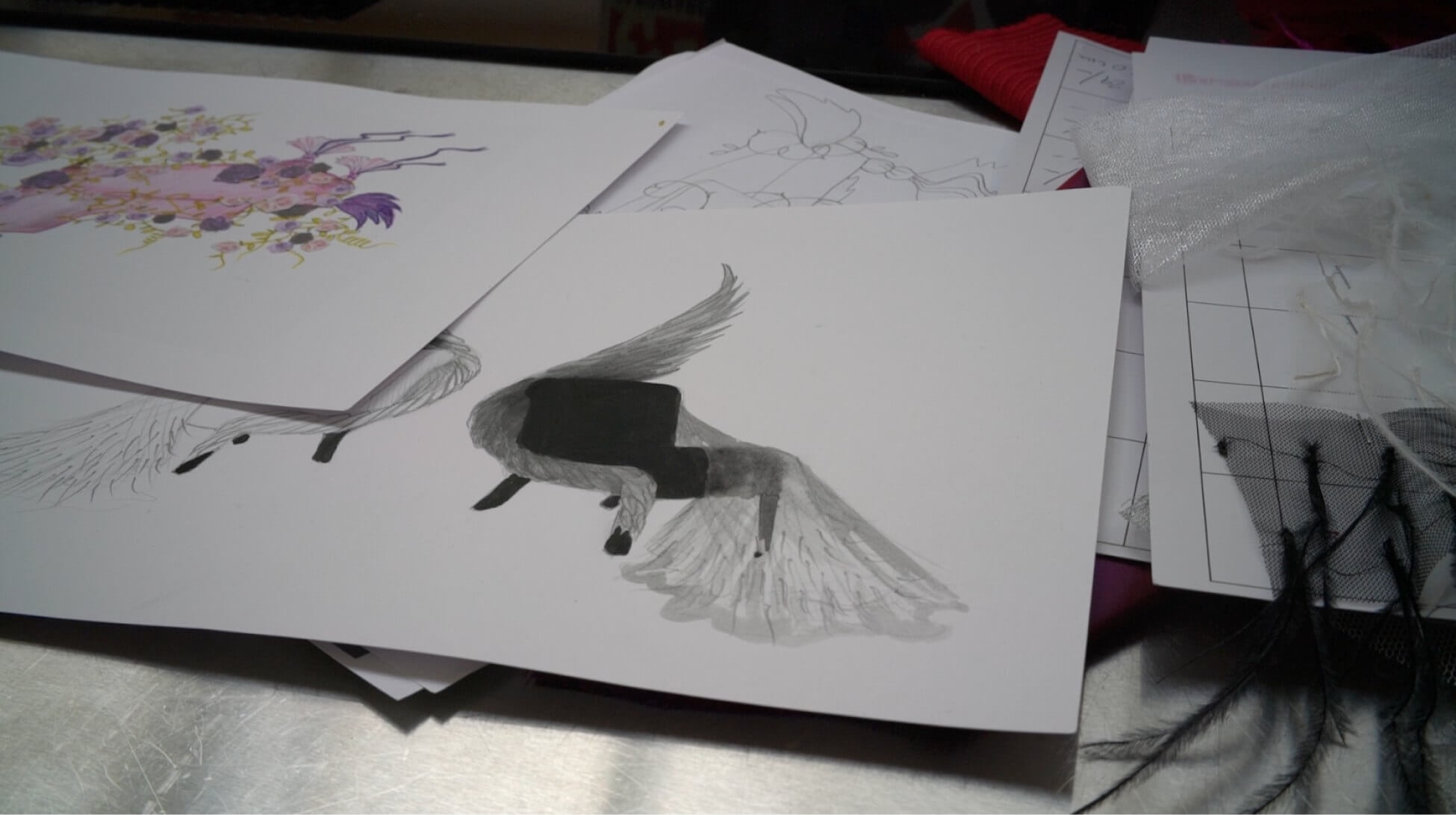
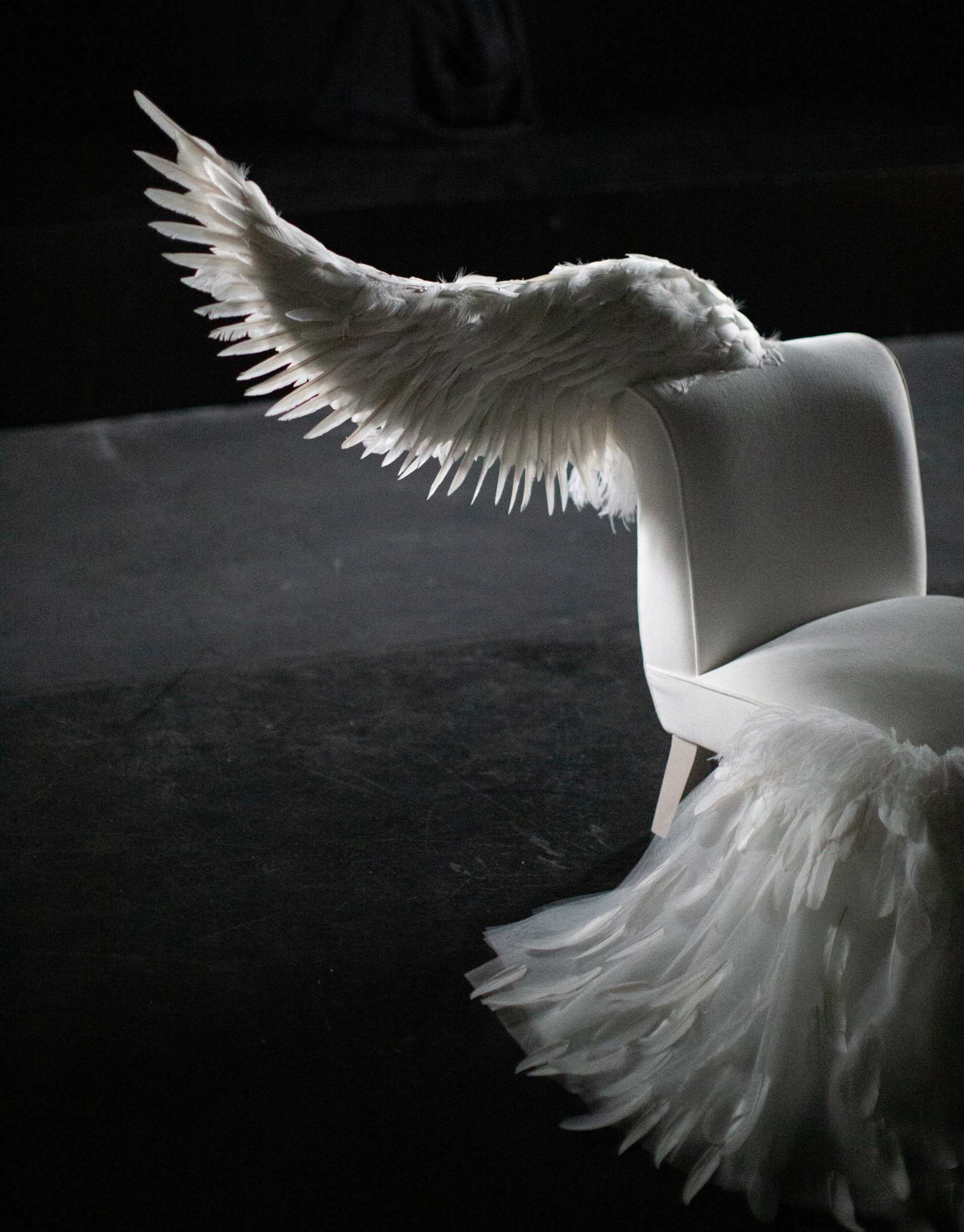
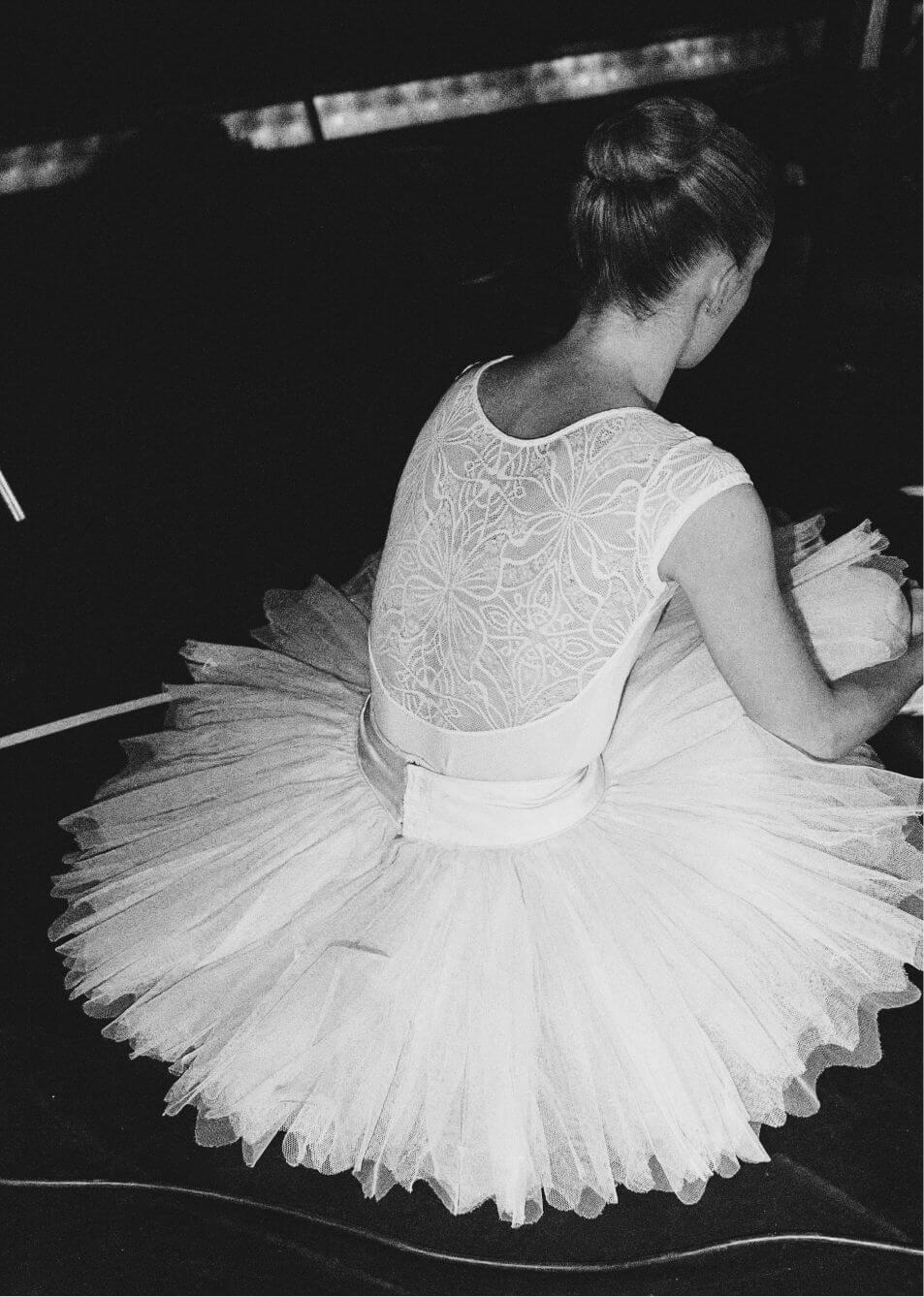
That same instinct shaped Hannah’s response to the productions themselves. For Swan Lake, feathers and tulle brought lightness, volume and movement to the Harwood chairs. Tulle drew the piece towards the world of ballet and costume, while feathers created a natural bridge with upholstery. The wings were built and shaped by hand, feather by feather, with what Hannah describes as “a mixture of precision and instinct.”
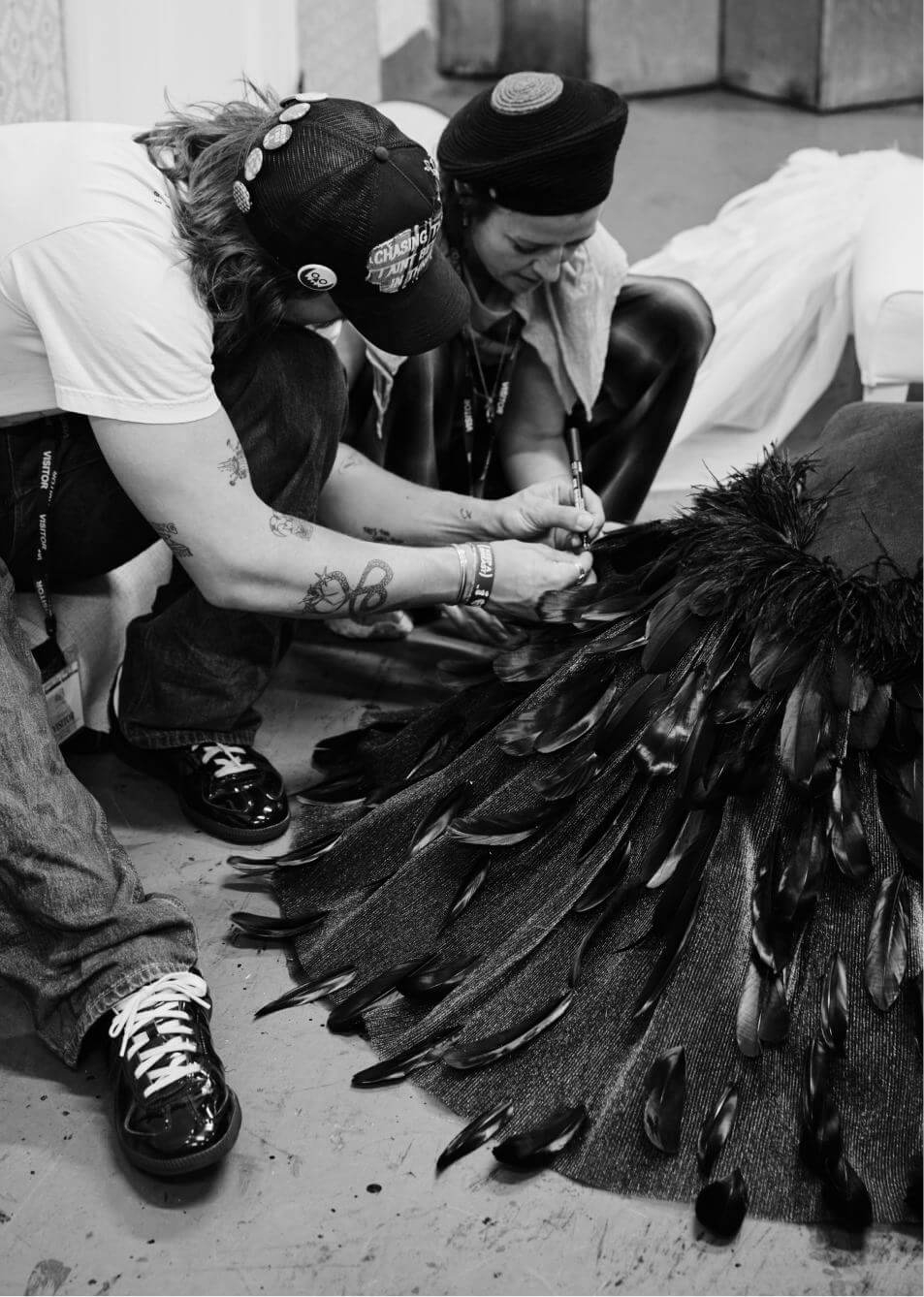
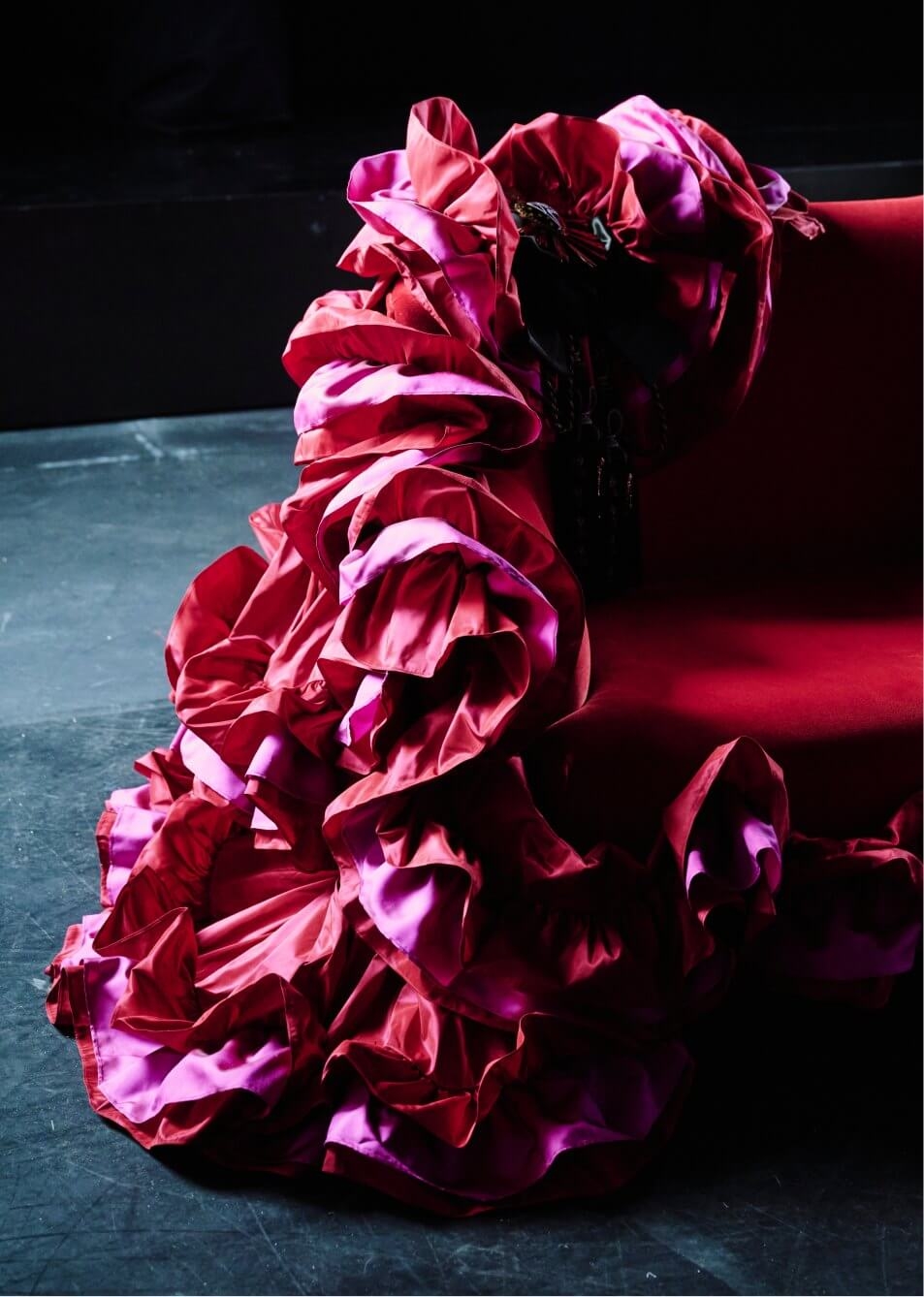
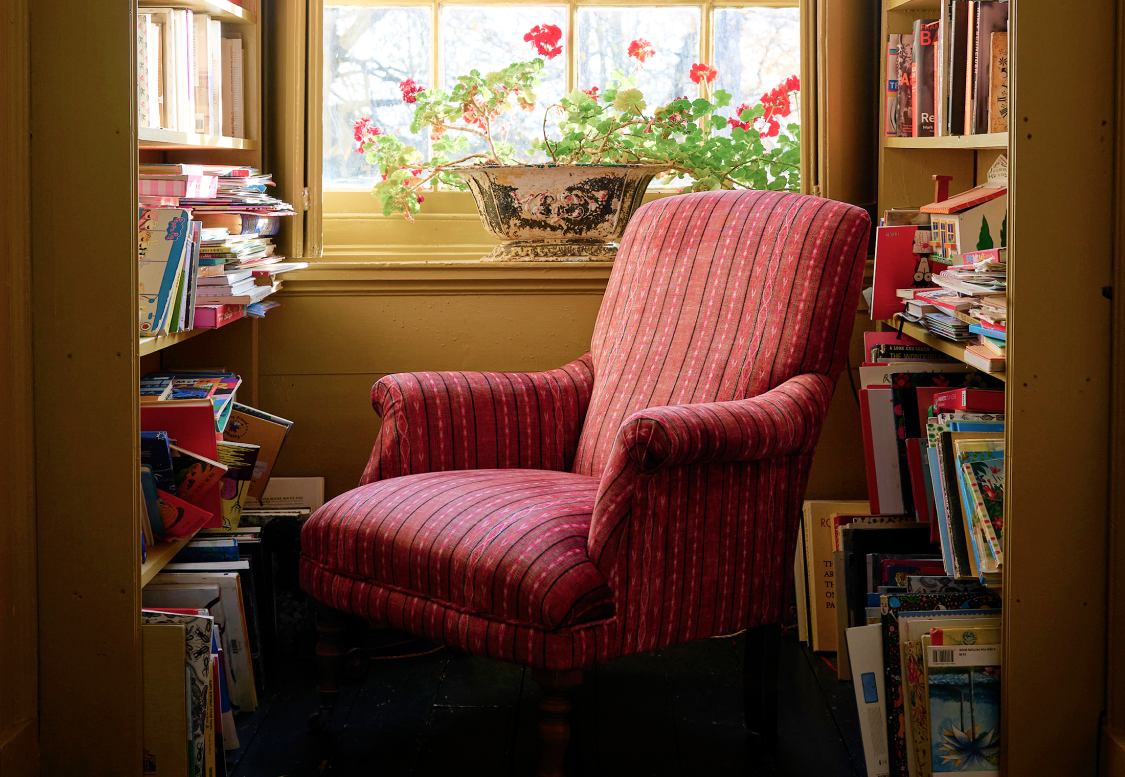
Carmen asked something else of fabric. Here, red was not simply a colour, but a force. Hannah describes it as inseparable from Carmen’s spirit: danger, seduction and passion. Expressed in rich velvet, with shot-silk taffeta additions, red does not just decorate. It performs. It changes the temperature of the furniture, giving the sofa its heat and presence before anything else needs to be explained.
Those two responses show the range of Hannah’s material language. In one, fabric is asked to suggest movement, lightness and duality. In the other, it becomes intensity, heat and character. Other pieces asked for different registers: softness and feeling for La traviata, ornament and wonder for The Sleeping Beauty. Across all four, fabric became the way into character.
There is also a technical intelligence behind that material instinct. As Hannah puts it, fabric is “always a negotiation between poetry and practicality”; a fabric might be visually perfect but fail under stress. Something that appears effortless may need hidden reinforcement. Layers may be built so that the eye sees lightness, not the engineering beneath it. A seam, a pleat, a fold, a few millimetres of adjustment: these are the refinements that can decide whether a piece feels balanced and fully resolved.
This is where costume and furniture begin to come very close. Both depend on what is seen and what is hidden. Both ask fabric to create feeling while also performing as it should. Both rely on judgement: knowing when a material is doing enough, when it needs support, and when a small adjustment can bring the whole piece into balance.
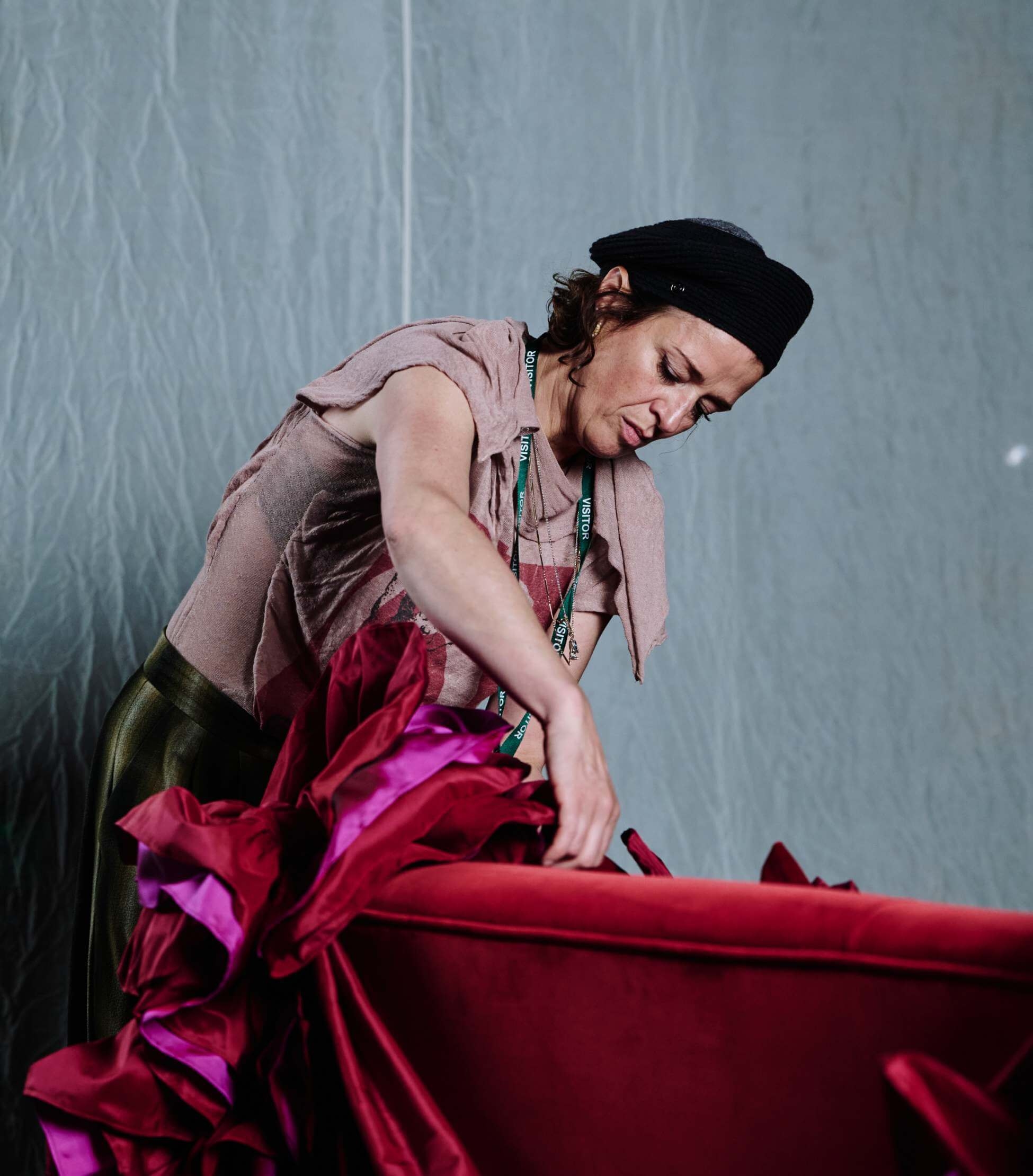
Hannah describes the process as one of research, experimentation and refinement. The aim is for the work to communicate quickly and clearly; when it succeeds, she says, “the piece, like a performance, feels alive.” That feels close to what we wanted from The Making: furniture that does not retell a production, but carries something of its character through fabric, symbolism and detail.
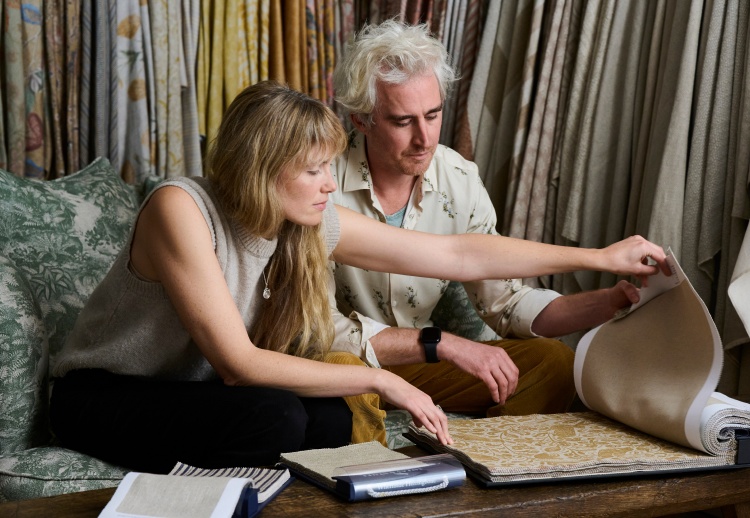
For Sofas & Stuff, that idea sits at the heart of personalisation. A frame gives a sofa its shape and comfort, but fabric is what changes its character. It is where a piece becomes personal: not only in colour or pattern, but in mood, touch, texture and feeling. The right fabric can change the energy of a sofa, the feeling of a room, and the way a piece reflects the person who chose it.
To celebrate our partnership with the RBO, we have created a limited edition postcard set. Find out more and request your keepsake from The Making.